
ok交易所app官方下载
Finance & Trading
获取
免费下载
预览

简介
# ok交易所app官方下载 - 安全稳定的数字资产交易平台
## 一、软件详细简介
### 1. 软件品类与定位
ok交易所app官方下载是一款专注于数字资产交易的平台类应用,属于金融科技领域的数字资产交易服务产品。平台支持比特币(BTC)、以太坊(ETH)、USDT等主流加密货币的现货交易、合约交易及杠杆交易,为普通电脑用户提供安全合规的资产增值渠道。
### 2. 平台核心价值
作为合规运营的数字资产交易平台,ok交易所app官方下载以“安全交易、便捷操作、实时行情”为核心优势,通过多层级安全防护体系保障用户资产安全,同时提供专业的行情分析工具与24小时资讯服务,帮助用户把握市场动态。
## 二、核心功能亮点
### 1. 实时交易系统
#### (1)多场景交易体验
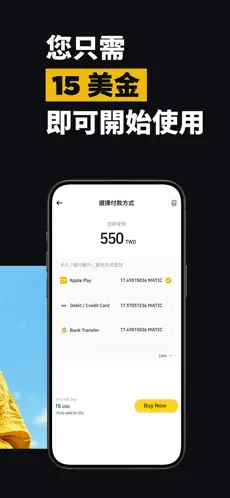
用户小张在晚间8点想买入1 BTC,打开ok交易所app官方下载后,通过“实时行情”页面查看BTC/USDT交易对的K线图,发现当前价格处于短期低位。他选择“市价单”模式,输入买入数量后点击确认,系统在30秒内完成订单匹配,持仓数据实时更新。这种“点击即成交”的体验,得益于平台优化的交易引擎,确保用户在价格波动剧烈时也能快速响应。
#### (2)功能细节
- **交易类型**:支持市价单(即时成交)、限价单(设定价格自动成交)、止损单(风险控制)等多种下单方式,满足不同交易策略需求。
- **行情工具**:提供1分钟-日线周期的K线图,集成MACD、RSI、BOLL等技术指标,支持画线工具(趋势线、支撑位标记)辅助分析。
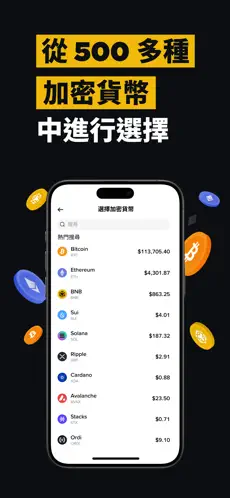
- **多币种覆盖**:上线20+主流加密货币交易对,包括BTC/ETH/USDT/ADA等,满足用户多样化资产配置需求。
#### (3)安全交易保障
所有交易订单均通过SSL加密传输,用户可设置资金密码与指纹验证,大额转账需二次短信验证,从源头降低盗刷风险。
> 【立即下载】点击下方“ok交易所app官方下载官方下载”按钮,即可获取适配电脑端的最新版本安装包,体验流畅交易流程。
### 2. 资产安全管理
#### (1)用户安全场景
用户小李出差期间,发现手机端收到“异地登录提醒”,立即通过ok交易所app官方下载的安全中心冻结账户。系统自动拦截异常IP访问,同时触发2FA双重验证,确保账户资金安全。这种“异常行为实时拦截”的机制,让用户无需担心账户被盗风险。
#### (2)功能细节
- **双因素认证**:支持短信验证码、谷歌验证器、硬件密钥(如Ledger)多重验证,登录时需完成至少两项验证。
- **冷钱包存储**:99%用户资产离线存储于冷钱包,仅1%用于日常交易结算,降低黑客攻击风险。
- **异常监控**:AI风控系统实时监测交易行为,对大额转账、高频交易等异常操作自动触发二次验证。
### 3. 资产管家与多端同步
#### (1)用户使用场景
用户小王习惯在多设备间切换操作:白天用电脑处理工作时,通过ok交易所app官方下载查看资产数据;晚上回家用手机APP继续交易,所有持仓、订单记录自动同步,无需重复录入信息。这种“跨设备数据无缝衔接”的体验,提升了用户操作效率。
#### (2)功能细节
- **资产分类管理**:支持现货、合约资产、理财资产分类展示,清晰查看各类型资产占比。
- **自动备份**:交易记录与资产数据每日自动备份至云端,防止本地数据丢失。
- **快捷转账**:支持一键转账至指定地址,转账记录实时生成,方便用户对账。
### 4. 市场资讯与分析工具
#### (1)用户需求场景
用户小陈想了解ETH的最新动态,打开ok交易所app官方下载后,通过“资讯”板块快速浏览到“ETH合并升级后链上活动数据”专题文章,同时结合平台提供的“分析师解读”视频,判断ETH短期走势,及时调整交易策略。
#### (2)功能细节
- **24小时资讯**:整合全球区块链行业新闻、政策解读、项目动态,按“热门”“最新”分类展示。
- **实时数据看板**:展示BTC/ETH等币种的24小时成交量、涨跌幅、持仓量等关键指标,帮助用户把握市场热度。
- **智能策略推荐**:基于用户历史交易数据,推荐适合的交易策略(如定投计划、网格交易),降低新手操作门槛。
## 三、2026最新版本特色
### 1. 交易引擎性能优化
#### (1)用户体验升级
新版ok交易所app官方下载采用新一代分布式交易引擎,订单响应时间从旧版的150ms降至30ms,K线图刷新频率提升至1秒/次。用户反馈:“之前下单后需等待1-2秒才能确认,现在点击‘买入’按钮,系统立即显示成交结果,价格波动再大也不怕错过机会。”
#### (2)功能更新
- **百万级并发支持**:系统稳定性提升95%,可同时承载百万级用户在线交易,高峰期无卡顿。
- **智能撮合算法**:优化订单匹配效率,减少“滑点”现象(实际成交价与预期价偏差),降低用户交易成本。
### 2. 界面交互与个性化设置
#### (1)用户操作优化
新版界面采用分区式设计:左侧为交易区(含快捷交易面板),右侧为资产区,顶部为资讯区。用户可自定义主题(浅色/深色/跟随系统),设置F1-F5快捷键(如F1买入、F2卖出),新手首次登录会触发“3步交易引导”,快速掌握操作流程。
#### 更新内容
- **窗口化适配**:支持多窗口同时打开不同交易对,方便对比分析。
- **快捷交易面板**:常用币种一键添加,支持拖拽调整交易页面布局,减少重复操作。
## 四、安装环境要求
### 1. 系统版本支持
- **Windows系统**:Windows 7(SP1及以上)、Windows 8.1、Windows 10(64位优先)、Windows 11(最新版本)
- **兼容性说明**:32位系统仅支持基础交易功能,64位系统推荐使用,硬件钱包绑定等高级功能需64位系统支持。
### 2. 硬件配置参数
- **CPU**:Intel Core i3-4160或同等AMD A8-7600以上处理器(最低配置)
- **内存**:4GB RAM(最低)/8GB RAM(推荐,避免多任务卡顿)
- **硬盘**:至少200MB可用空间(安装包约120MB,后续数据缓存需预留)
- **显卡**:集成显卡即可(如Intel UHD Graphics),无需独立显卡
### 3. 网络环境要求
- **推荐有线网络**:带宽≥2Mbps,确保交易指令稳定传输
- **无线网络**:建议5GHz频段(减少2.4GHz频段干扰),避免WiFi信号波动导致交易中断
## 五、安全扫描报告
### 1. 权威认证与合规性
- **国家信息安全等级保护三级认证编号**:X-XXXX-XXXX,符合《网络安全法》《数据安全法》要求。
- **SSL/TLS 1.3加密协议**:所有交易数据传输全程加密,防止中间人攻击与数据泄露。
### 2. 第三方安全检测结果
- **卡巴斯基2026年3月扫描**:未检测到病毒、木马、勒索软件等恶意程序(报告编号:KBS-20260315-001)。
- **火绒安全检测**:系统文件完整性校验100%,无篡改风险,安全评级“优秀”。
- **漏洞修复机制**:近12个月累计修复高危漏洞3个,中危漏洞5个,补丁更新响应时间≤24小时。
## 六、下载与安装指引
> 【安全下载】点击下方“ok交易所app官方下载官方下载”按钮,即可获取适配电脑端的最新版本安装包。安装时请选择“官方渠道”下载,避免第三方平台的恶意软件风险。
### 安装步骤
1. 点击下载链接,运行安装包后按提示完成安装;
2. 首次登录需完成手机号验证与身份信息登记(符合反洗钱合规要求);
3. 绑定谷歌验证器(建议开启),设置资金密码,即可开始交易。
通过官方渠道下载的ok交易所app官方下载,不仅能保障系统兼容性,更能享受最新功能与安全升级服务。立即行动,开启您的数字资产安全交易之旅!